

One of the things I help clients to do is see future scenarios. Given this I couldn’t resist considering where Amazon’s $1 billion PillPack acquisition may take them next.
The purchase of prescription delivering PillPack is widely seen as a start of a consumer-centric push by Amazon into healthcare. Given Amazon’s assets, scale and data could it add up to a highly disruptive ‘health & wellness’ model? Well, yes…
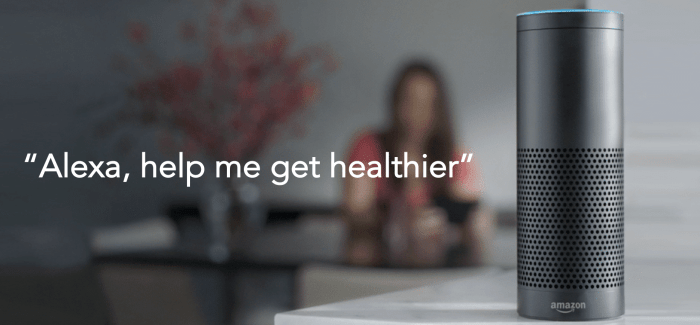
One of those assets is the Alexa voice service and supporting technology. Reminding people to take their medicine or re-order is helpful, but Alexa can be a vehicle for much more personalised and interactive support.
The reality of Alexa explaining home test results or alerting caregivers to patient health problems is close. Amazon is investing in Grail a company developing a cancer screening test and Alexa already enables SOS messaging to family members.
Optra Health is applying Alexa technology to enable consumers to ask and interpret their genetic test results. Amazon has also invested in Owlet, a startup that make smart socks to track a baby’s health.

This year CNBC reported Amazon had established a team in its Alexa division called “health & wellness.” It makes sense and PillPack offers an audience to trial innovations.
A wellness ambition is evident in Amazon’s investment in Aaptiv an audio fitness app. Respa the first wearable device to track breathing is linking its technology with Alexa.

With heart problems, breast cancer and diabetes all potentially detectable from wearable devices the predictive power of wellbeing data is growing fast. Alexa, connected to such data, could become the first ‘person’ to suggest it’s time to see a doctor or go to the pharmacy.
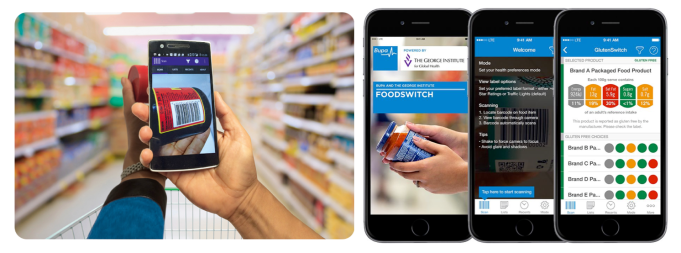
There is, of course, the opportunity to connect pharmacy and food purchases for wellbeing benefits. Data and clever algorithms could guide shoppers to food (from Wholefoods Market obviously) that fits specific health goals or helps manage a condition. Benefits of apps like FoodSwitch that compare nutritional values could be effortlessly called upon with Amazon and Alexa.
Ultimately Amazon could go further and offer paid-for personalised medical advice. Already Babylon, the app that combines AI diagnosis with 24/7 ‘doctor on demand’ by video has recruited 200 GPs in the UK.
Last year the Mayo Clinic launched an Alexa service where consumers can ask and receive answers for health issues. The use of Smart Glasses ‘powered by Amazon Alexa’ unveiled earlier this year can support seeing and speaking to a doctor.
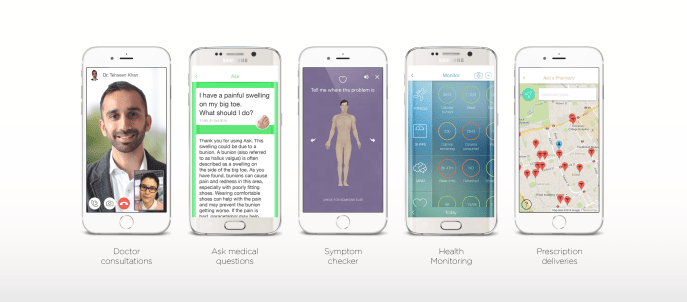
An Amazon on-line pharmacy with prescription delivery is an inevitable, almost boring step for a business seeking to be the ‘everything store.’
What looks significantly more exciting is the scope to integrate highly informed and holistic fitness, nutritional and medical support. Consumers intimately attached to Amazon through a wellbeing relationship represent a powerful foundation for pharmacy sales.
Given this potential, Amazon’s interest in delivering medicines / prescriptions to consumers becomes very understandable. Likewise the impact on established pharmacy share prices.
 Facilitate Success