

Any self-respecting brand manager will know a stretch to a new category or segment needs to be consistent with the brand’s values and identity to prevent consumer disconnect and support success. The fabled* Colgate frozen lasagne story continues to remind brand managers not to overlook brand fit.
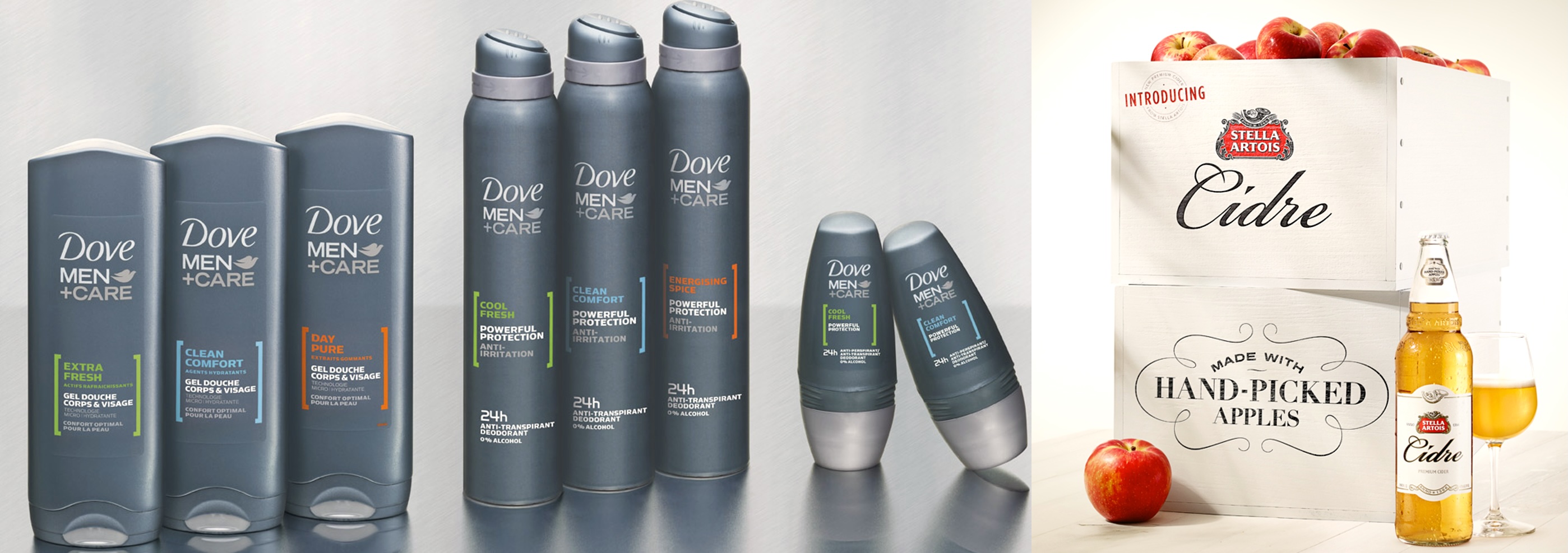
Stretch success also depends on the business model and market opportunity. Back in 2010 Dove’s plan to introduce male skin care and grooming products was met with some doubts. Some experts believed a heritage of women-only products might be too high a hurdle and others saw Unilever’s Lynx / Axe brand as a more obvious fit for young males. Unilever, of course, quickly proved them wrong.
“Astoundingly, now, there is a whole new product line extension of Dove Men+Care products. Dove for men? The name itself is ridiculous. Unilever has taken Dove mania one Dove too far. Our prediction is that line extinction is virtually guaranteed.” 2010
There was an educational challenge, but Unilever employed insightful comms to connect with men’s need for effective products and ensured separation from the female franchise with a masculine design. As importantly, the model and market opportunity made compelling sense. The extension leveraged the company’s capabilities and promised economies of scale for R&D, production and distribution. It also leveraged established retailer relationships to ensure the wide availability required to realise category growth. The strategic fit and potential for incremental sales justified Unilever launch investment and sustained sizeable support to build trial.
In much the same way, Stella Artois made the challenging leap to Cider (or Cidré). Again the opportunity warranted full commitment and company ownership to realise synergies, scale and incremental growth. Mondelez more recently moved Cadbury biscuits from a licensing arrangement to being part of the company’s sizeable global biscuit portfolio.
For other brands and opportunities the investment, risk, scale potential and ability to compete will make full ownership of a stretch questionable. In these circumstances business model thinking can unlock opportunities. For Nestlé, a partnership model made sense for the extension to chilled desserts. The company took a minority stake in a JV with Lactalis who have leveraged the benefits of scale from a private label portfolio and chilled supply network.
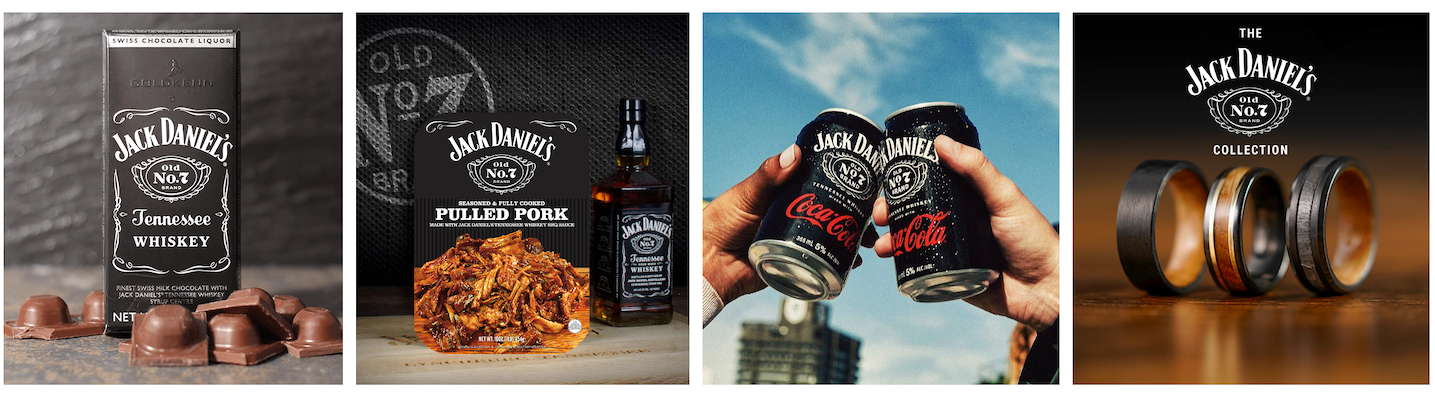
Famous whiskey flavours support some obvious stretch opportunities for Jack Daniels. The niche addition of male wedding bands made with inlays of real Jack Daniel’s whiskey barrels takes brand connection to a new level!
Co-branding and licensing are additional model options to realise stretch benefits where a fit exists outside a company’s competence or where scale is constrained. Jack Daniel’s owner Brown-Forman has energetically licensed the iconic brand to drive incremental revenue and mental availability. This includes co-branding with Coca‑Cola in the growing alcohol ready-to-drink market, confectionary and meat-based food products.
P&G’s Febreze has been cleverly employed to support an additional level of odour removal performance for other company brands including Ariel, Flash and Lenor. The approach affirms Febreze’s leading performance, supports brand consideration for other usage occasions and creates a point of difference for partner brands.
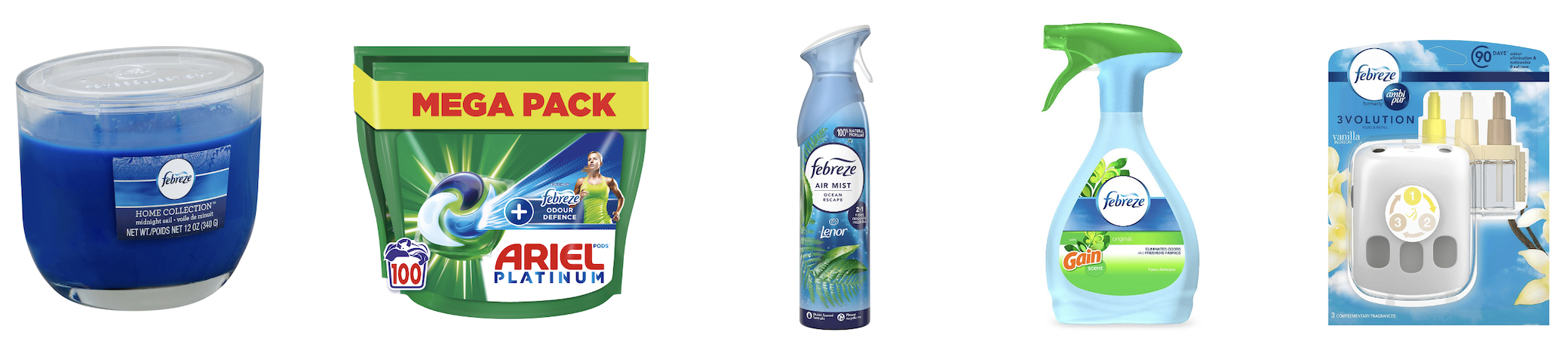
P&G play a sophisticated game of co-branding and stretch with Febreze. The brand adds an additional benefit to Ariel, connects with buyers of other P&G brands such as Gain or Lenor and has replaced the Ambi Pur plug-in brand.
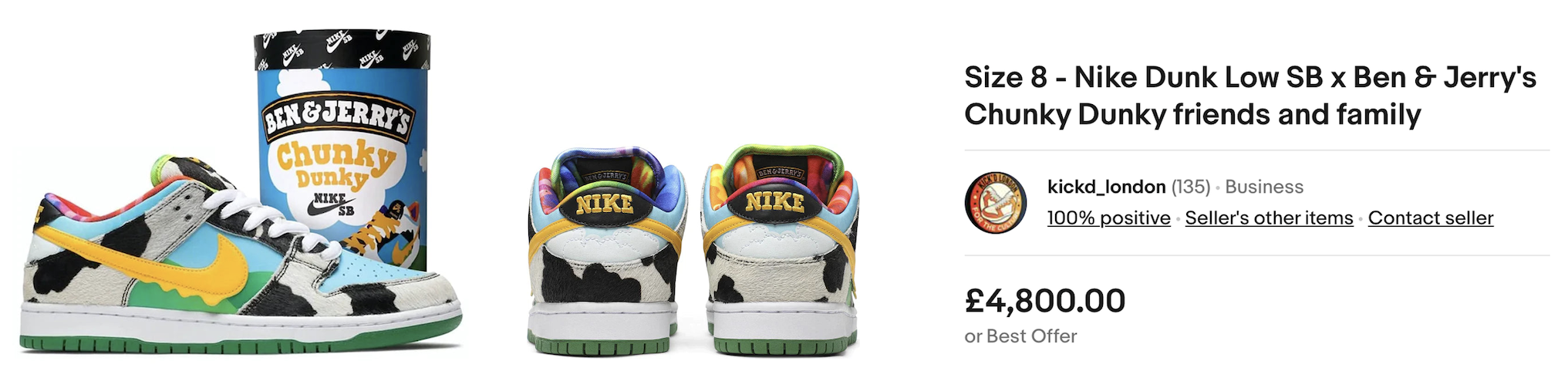
The model menu of own, partner, co-brand or license increases the scope to make the most of a relevant brand fit. In an attention-challenged world the benefit of a boost in brand salience with some bonus revenue for minimal investment can make a lot of sense. Social media influence also supports giving brand fans something to share and some short-lived surprises. Ben and Jerry’s branded Nike sneakers or Jack Daniels whiskey barrel sourced wedding rings may not be strategic scale stretch, but do have a positive role to play.
Here are are some case-studies I have employed in past workshops to get teams considering brand fit opportunities alongside stretch model options…
* Colgate (already selling a leading food wrap brand) appear to have trialed some Colgate Kitchen products in the 1960s. To be fair, Gerber have tried to introduce adult purees and Frito Lay lemonade.
 Facilitate Success