
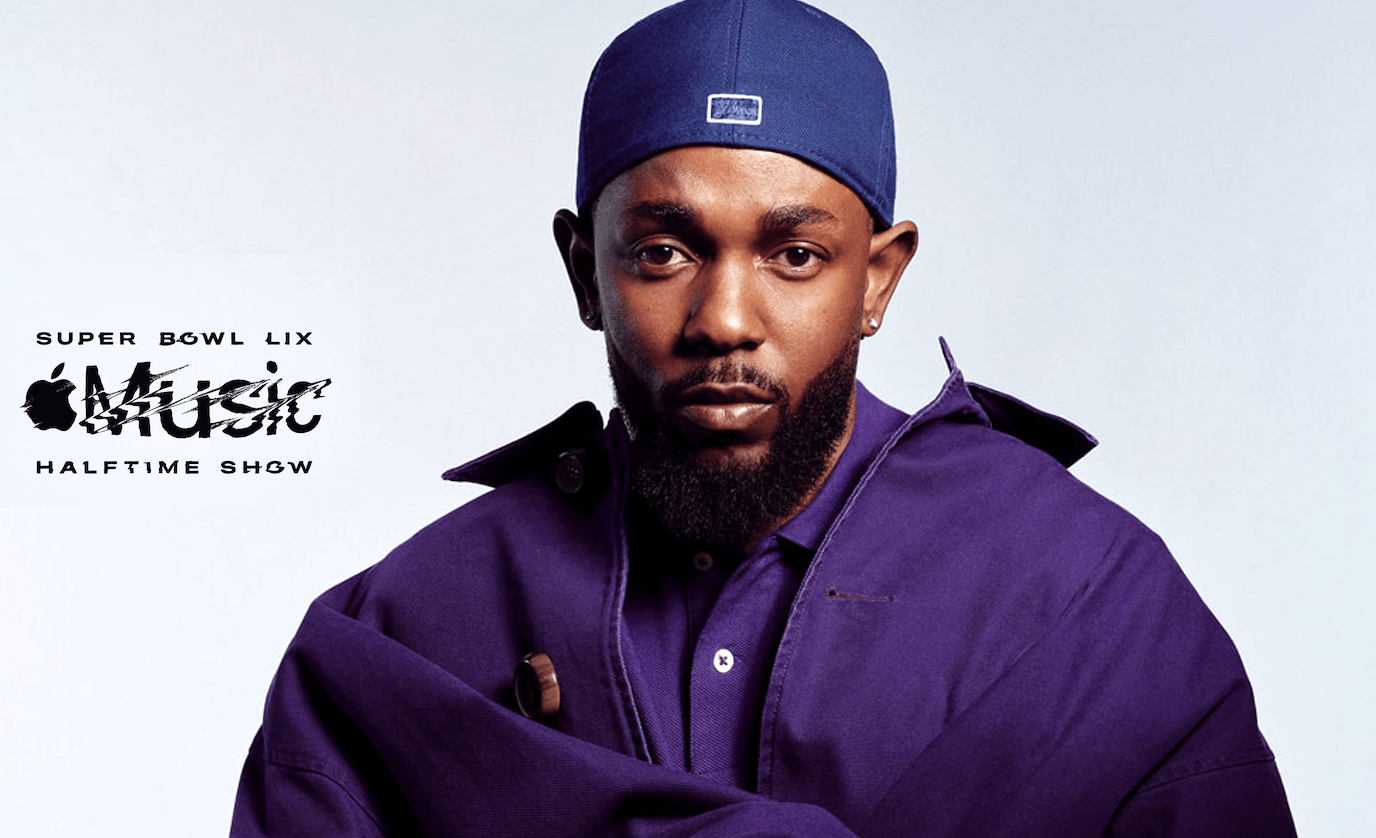
Kendrick Lamar has won 22 Grammys, a Pulitzer prize, achieved 9 billion streams on Spotify last year and will have reached a global audience of 150 million with his Super Bowl half-time show. In my HUMBLE opinion, Kendrick must offer some brand storytelling inspiration. (If you are Hip-Hop rejector do feel free to retreat now).

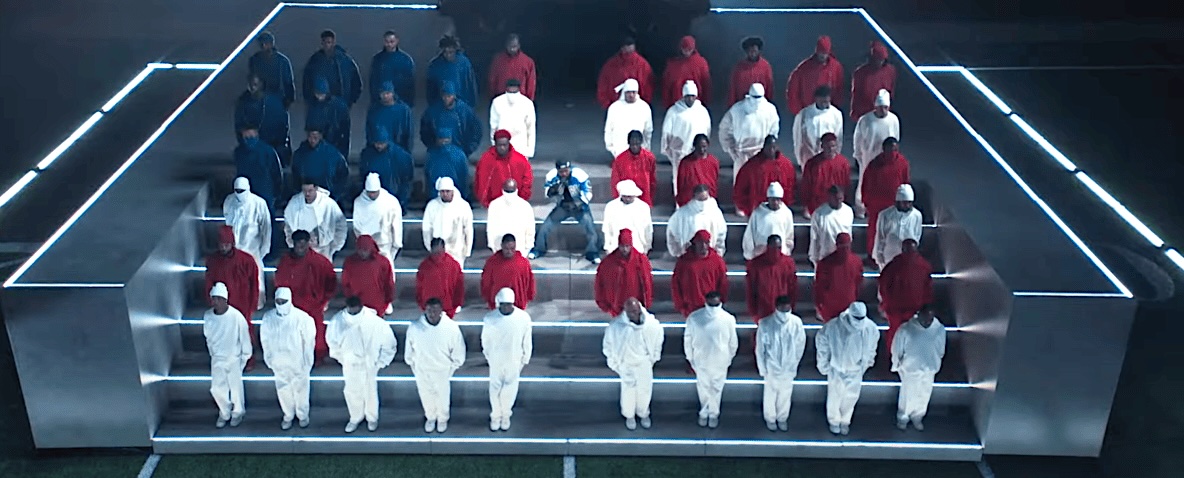
Symbols and metaphors support storytelling. In”HUMBLE” Kendrick challenges the listener to to maintain humility in the face of success. In the video extravagant outfits appear to criticise arrogance / self-importance. At the Super Bowl show a divided American flag featured.
Let’s be clear many elements have contributed to Kendrick’s success. Above all, is a Hip-Hop ‘product’ progressed with experimentation that blends jazz, funk, and soul with disruptive use of rhythm combinations. Visual presentation rich in imagery and diverse collaborations also play their part in gaining attention and extending appeal. Of course, the battle of diss tracks with rival Drake has boosted his profile.
Authentic storytelling, however, is the standout competitive advantage for the Compton rapper. This was clearly the Pulitzer foundation’s conclusion when making Kendrick the first non-classical or jazz recipient. As they explained Kendrick had achieved “a vernacular authenticity and rhythmic dynamism” that captured “the complexity of modern African-American life.”
There is plenty of excellent in-depth analysis of the rapper’s lyrics and storytelling online. I will therefore succinctly focus on two strengths for brand learning.
1. Authentic representation
Kendrick draws heavily from his experiences and especially his upbringing. “Good kid, m.A.A.d city,” provides a vivid, personal account of characters and situations encountered in Compton and, notably, addresses gang violence, drug use, and peer pressures without glorifying them. Pulitzer winning “DAMN” applies a different lens, exploring the moral dilemmas in navigating life in the city. His authenticity is affirmed beyond words with his advocacy of Hip-Hop as an art form for powerful expression and influence. The grammy winning “Not Like Us” has been an emphatic demonstration of the disruptive power of the genre that reaffirms his identity and roots. Inevitably it featured in his Super Bowl show, to not do so would be a cultural compromise.
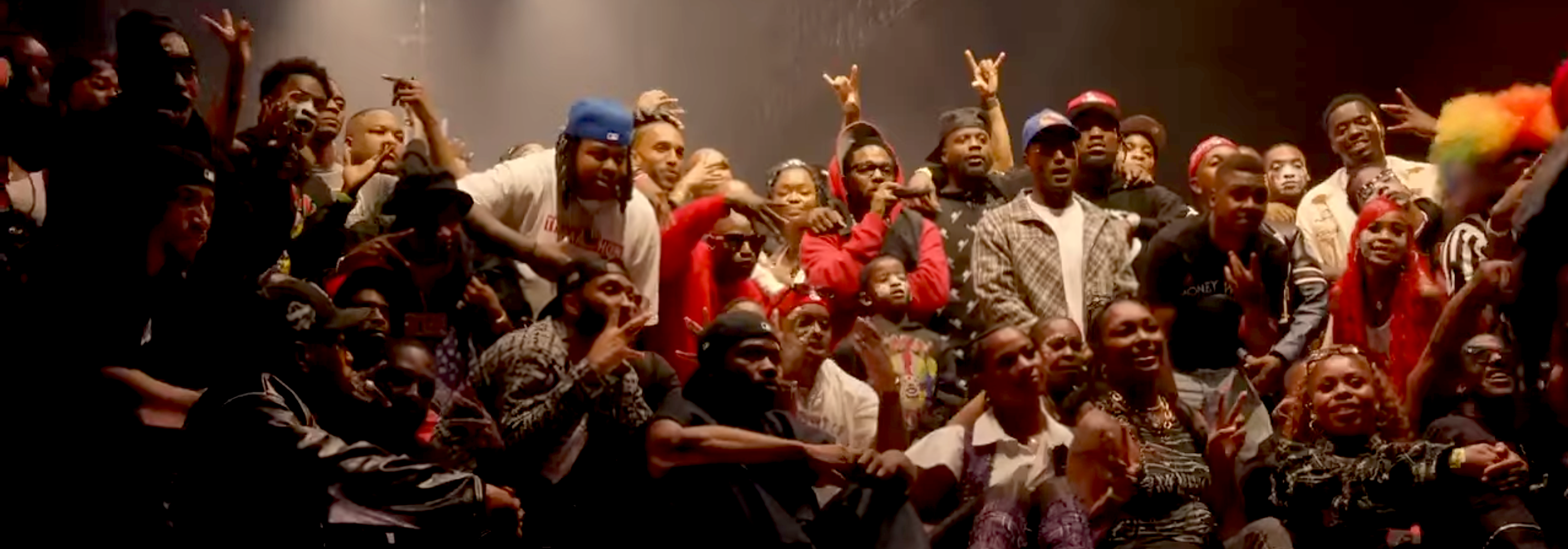
Kendrick has leveraged “Not Like Us” to unite the West Coast community and help bridge gaps between rival gangs.
What Kendrick doesn’t do is equally important. Attention and interviews are avoided. This allows others (and on this occasion me) to interpret and discuss. Kendrick’s engagement is sustained by a diverse community exploring his words, imagery and experiments and not lifestyle updates of a famous artist.
2. Shared vulnerability
Kendrick’s willingness to share and explore his personal struggles and vulnerabilities sets him apart. In “DAMN,” he delves into his internal conflicts, fears, and insecurities. In “Mr. Morale & The Big Steppers” he transparently tackles themes such as therapy, toxic masculinity, infidelity, and his relationships with transgender family members. The extreme mood swings and mental struggles of being a successful Black man are explored in “To Pimp a Butterfly” (TPAB). Intimate introspection allows fans to embrace a flawed individual questioning past actions and motivations. It bonds Kendrick to his audience. He recognises their challenges, validates their feelings, and affirms their perspective. The adoption of “Alright” (from TPAB) as a positive anthem for social justice movements flows from relevance and connection.
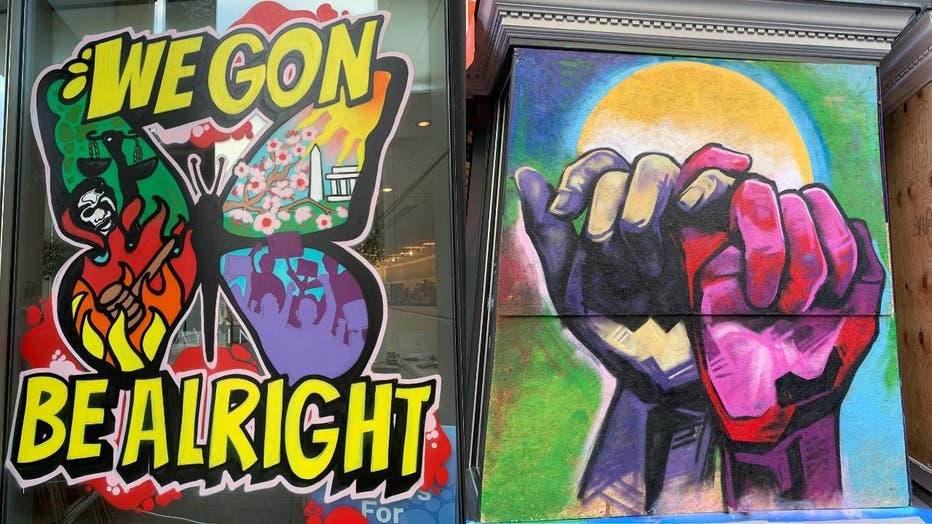
Black Lives Matter murals included references to Kendrick’s “Alight”
Learning for personal and consumer brands?
Kendrick’s success is a salient reminder that people bond with (imperfect) humans not brands. Embracing vulnerability allows deeper connection with others. For individuals, contemplating their personal brands (or more importantly emotional well-being) Kendrick sets a challenge to lean into vulnerability. Writing this article prompted me to revisit the vulnerability and belonging insights of ‘researcher-storyteller’ Brené Brown. I watched her 2010 TED talk – if you have 20 minutes I recommend you do too.
Those leading companies focused on a positive change are probably best placed to authentically and vulnerably share their story and struggles. Patagonia I suggest sets a standard in acknowledging the difficulty of reconciling business growth with pursuing environmental activism and needing to still improve: Patagonia. Veja, the sneaker brand is impressively open on the choices it makes, the constraints and their impacts: Veja.
For most consumer brands there isn’t the opportunity to get anywhere close the intimacy and vulnerability of an artist making the most of individual expression. But the benefits of being more vulnerable and acknowledging imperfection in storytelling can’t be ignored. Insight and understanding of your ‘fans’ creates opportunities to honestly represent who they are and affirm how they think and feel.
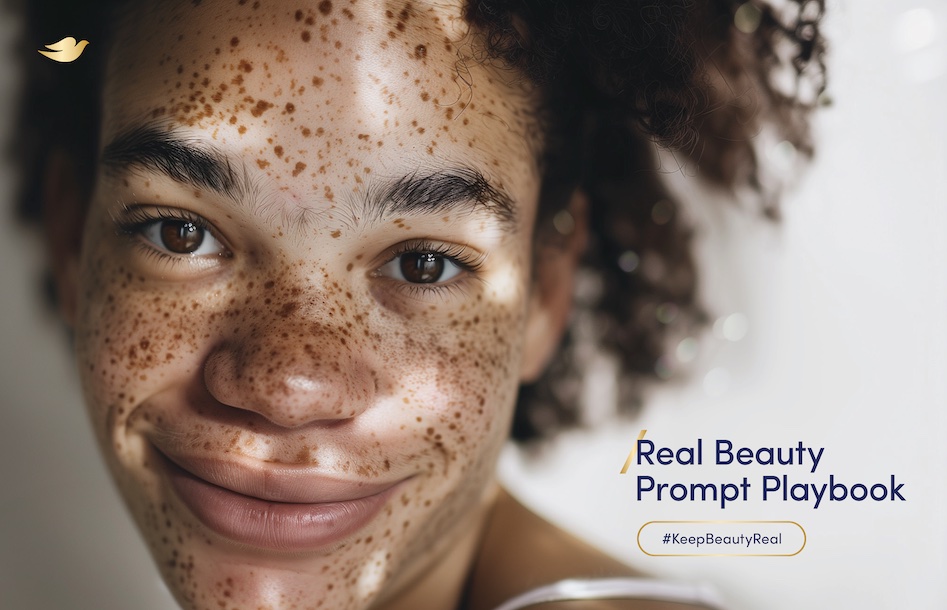
Having ‘listened’ to Kendrick and reminded yourself of Brené Brown’s research reflect on Dove’s Campaign for Real Beauty and why it connected so well. It is real and reflects shared vulnerability. It validates and affirms individual concerns. It creates a community voice.
 Facilitate Success