

The power of pairs
More than a decade ago, one of my clients redesigned their organisation to support more innovation-led growth. A key part of this transformation was ensuring projects were led by a partnership of two innovation directors or managers—one focused on technical challenges and the other on customer adoption. This combination of expertise was highly beneficial, but even more so, the relationships between these pairs evidently fostered more ideas and more confident problem-solving.
Creative people often work—and succeed—in pairs. The combination of an art director and a copywriter is long established in advertising, and partnerships that combine different capabilities have powered business success. Consider Microsoft with Bill Gates and Paul Allen, Google with Larry Page and Sergey Brin, and Apple with Steve Jobs and Steve Wozniak.
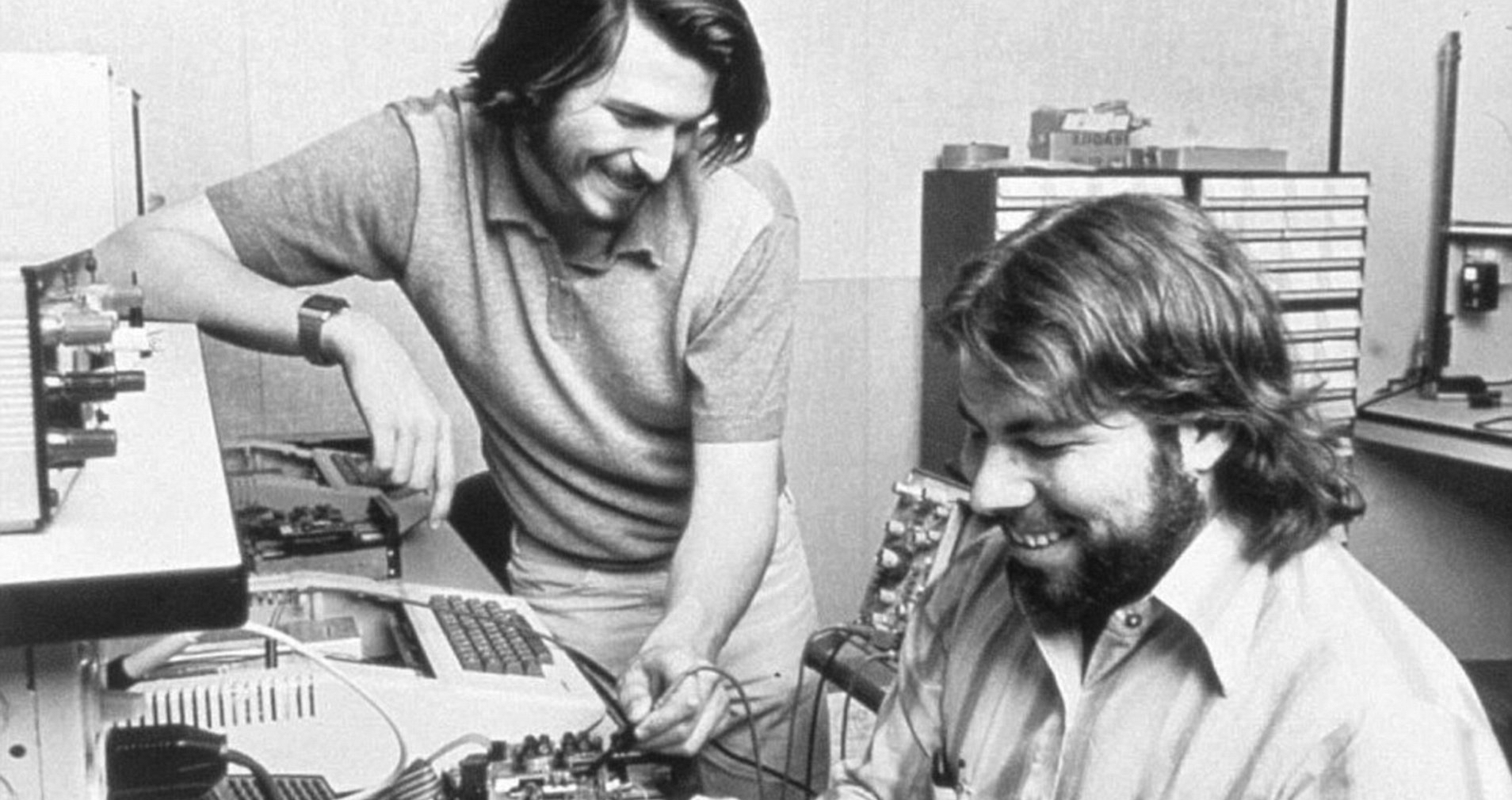
A workshop I facilitated a few years ago cemented my conviction in the power of two for innovation. The day did not go well, with stakeholders failing to agree funding for a regional pilot. With participants gone, a frustrated and exhausted innovation manager was now visibly upset. Helpfully, at that moment there was a project partner who got the situation, shared the extreme frustration, and reaffirmed their determination to keep going. Together, they could better cope with setbacks that alone may have led to self-doubt and lost motivation.
Fostering partnerships
Fostering partnerships within an organisation can make a significant difference. Recently, I linked innovation managers to a research partner. These duos reinforced stakeholder expectations of innovation being evidence-led and facilitated faster learning. Skills or outputs aside, they ensured mutual support for what can be lonely roles required to challenge the status quo and associated assumptions. Shared experiences and understanding also support resilience, and productivity.
When mentoring co-founders, I always focus on the dynamic between them. Do they align on purpose and direction? Are they comfortable confronting issues? Do they build ideas together? Helping that dynamic and ensuring difficult questions are addressed is crucial. Being great friends is probably not enough for success. A 2012 Harvard Business School study by Professor Noam Wasserman of 10,000 start-ups showed that companies with friend-founders were less likely to work. Each additional social connection to the founding team increased the likelihood of a founder leaving. Teams of virtual strangers were more likely to stick together.
In conclusion
I recommend keeping the ‘power of two’ in mind for innovation and looking out for opportunities to enhance peer support. This approach is likely to lead to more creativity, productivity, and resilience. If that is not possible then assigned buddies or mentors may bring some of the benefits.
I am pleased to say the aforementioned frustrated innovation managers overcame further setbacks to successfully launch their innovation globally. When we discussed their bumpy journey several year later, they talked about patiently finding the moment when the organisation was ready to say yes. I believe still being there for that moment had a lot to do with their enduring collaboration of two.
 Facilitate Success